Clear explanations of plagiarism, AI-detection tools, citation ethics, and how universities define academic misconduct. These articles help you understand the rules and use AI responsibly, so your work always stays above reproach.
Some do, and very few say they check every source. Ask around and you will hear both extremes. One answer on a long-running Quora thread say ...
Read More »
A fabricated citation is not a broken citation. It is a well-formed one: a plausible author, a plausible title, a real journal, a volume and ...
Read More »
A detector score is a probability, not a finding — and it is not a percentage of your paper. Turnitin's own documentation says the too ...
Read More »
There isn't one. Turnitin calls this the one question its people get asked repeatedly, and it has publicly refused to answer it with a numbe ...
Read More »
Yes — AI can proofread your essay. Whether that counts as acceptable help is decided by your course policy, not by the tool, and a too ...
Read More »
Yes, AI tools like ChatGPT can produce a complete essay in under a minute — but turning that essay in as your own work without your instru ...
Read More »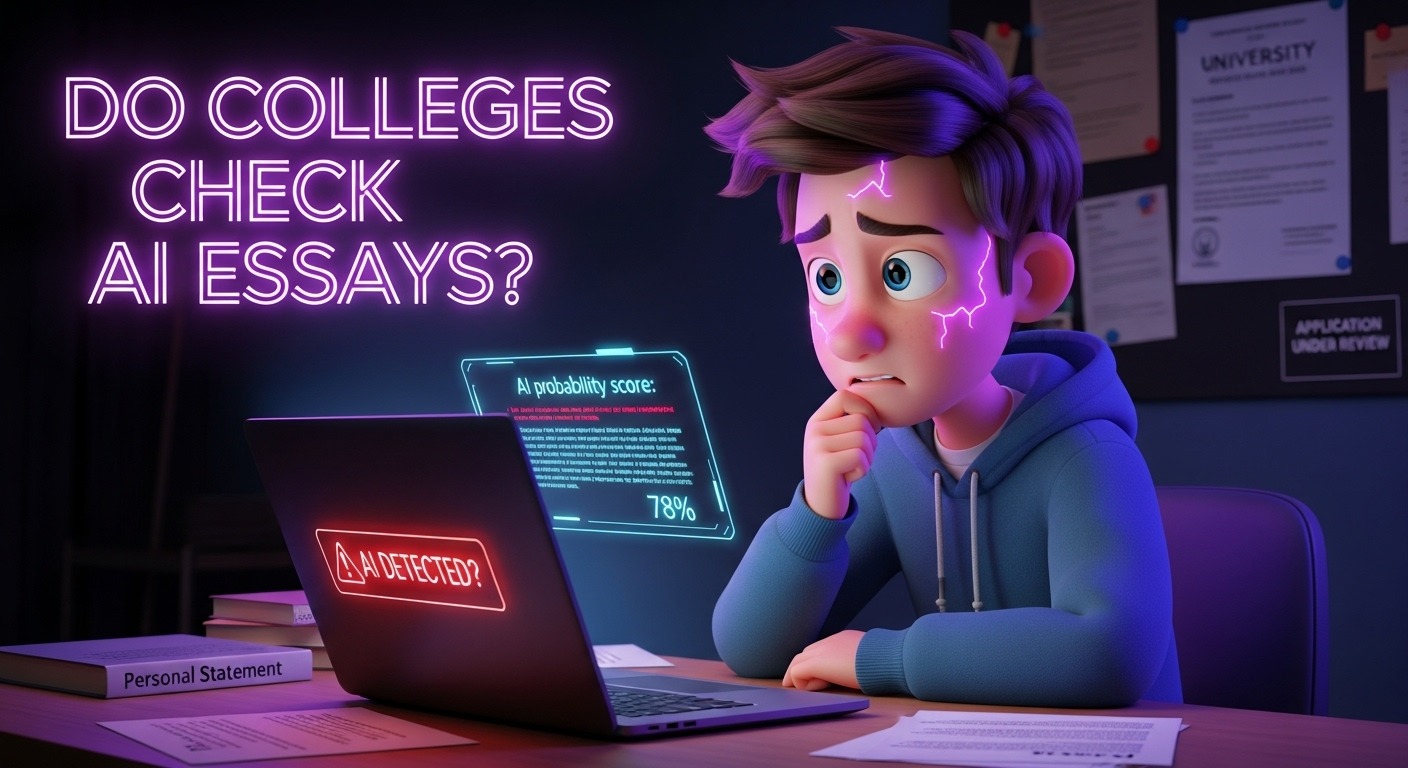
Table of ContentsWhat Admissions Officers Actually Look for in a Personal StatementThe Human Element: They are Trained to IdentifyWhy Authen ...
Read More »
Table of ContentsThe Difference Between Accidental and Deliberate PlagiarismWhy Paraphrasing Poorly Is Still Considered PlagiarismSelf-Plagi ...
Read More »
Table of ContentsWhat Turnitin's AI Detection Actually DoesHow the Detection Model Was TrainedWhat Turnitin Flags — and What It Doesn'tThe ...
Read More »Free writing guides, citation cheat-sheets and deadline-beating advice — a short, useful email now and then. No spam, unsubscribe any time.
🔒 We respect your privacy — your email stays with us and never gets shared.

Trusted by students worldwide since 2012 · from $7.89/page
 Live Chat